Skip links

Anchor pull-out test.

Our Services

Assessing the Strength, Reliability, and Safety of Anchoring Systems in Concrete and Rock Structures

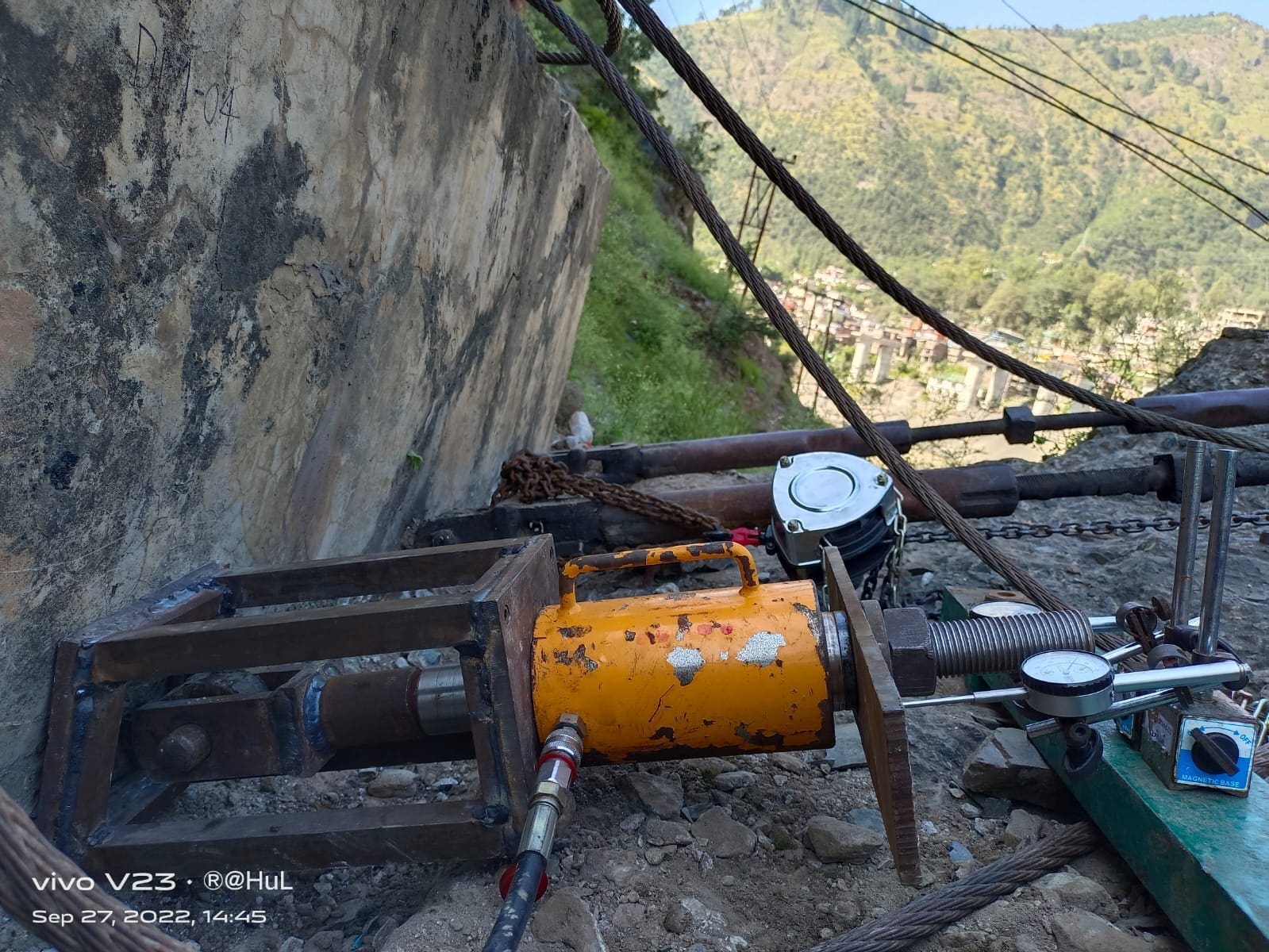
Anchor pull-out test is a vital in-situ procedure in construction and geotechnical engineering, designed to evaluate the strength and performance of anchors or fasteners embedded in concrete, rock, or masonry. Its main purpose is to determine the maximum tensile load an anchor can sustain before failure, ensuring that every fixing or fastening point performs safely under real-world loading conditions. At Global Lab, we conduct Anchor Pull-Out Tests using calibrated hydraulic loading systems and digital load sensors. Our testing conforms to IS 2770 (Part 1):1967, ASTM E488/E488M, and ACI 355.4 standards — delivering accurate, NABL-certified data for both on-site and laboratory evaluations.

Why Anchor pull-out testMatters.

Verifying Structural Integrity

The test ensures that the connection between the anchor and its base material — whether concrete, rock, or masonry — is strong enough to handle service loads safely. This verification is essential for the stability and safety of heavy equipment foundations, façades, railings, or structural attachments.

Quality Control and Assurance

It acts as a critical on-site quality check, confirming that anchors are installed properly and the base material meets required strength standards. Early detection of installation flaws, voids, or improper embedment prevents potential anchor failures later.

Determining Load Capacity

When base material characteristics are unknown or the anchor type is not covered by standard documentation, the pull-out test provides the exact load-bearing capacity on-site. Engineers use this data to make informed design decisions about spacing, anchor quantity, and load distribution.

Ensuring Safety Compliance & R&D

Building codes such as IS, ACI, and ASTM mandate anchor pull-out testing for structural safety validation. It ensures installations comply with both project specifications and international safety standards. Beyond field validation, the test is also used in R&D environments to evaluate new anchor systems, adhesives, and construction materials, advancing the field of anchoring and fastening technology.

NDT TESTING

GL Advantages.
  • Accredited facility: NABL-grade laboratory with traceable calibration and strict QA systems.

  • Standards compliance: Tests performed to ASTM C1202 (Rapid Chloride Permeability Test) and applicable IS/EN methods.

  • Experienced analysts: Concrete technologists who interpret results and recommend mitigation.

  • Fast, reliable reporting: Clear reports with test data, graphs, comparative benchmarks, and practical recommendations.

  • Field + Lab capability: On-site sampling, specimen curing, and post-test consulting.

Global Lab Advantage.

Accredited facility.
Standards compliance.
Experienced analysts.
Fast, reliable reporting.
Field + Lab capability.


Applications

Verification of anchor strength in newly constructed structures.
Evaluation of post-installed anchors in retrofit and rehabilitation works.
Assessment of base material performance in unknown or variable conditions.
Safety validation for façade, railing, and equipment anchoring systems.
Material and adhesive performance studies in research environments.
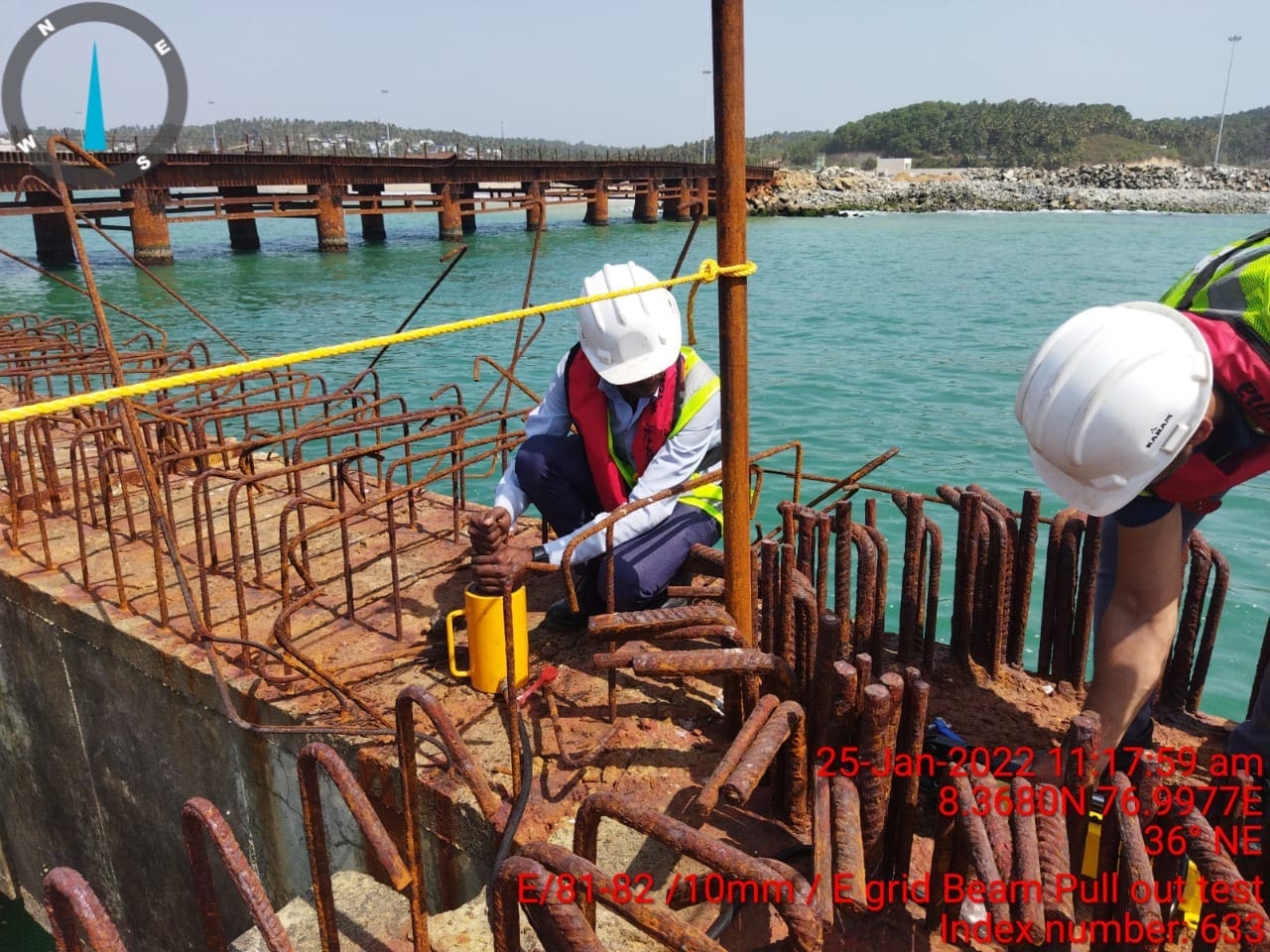
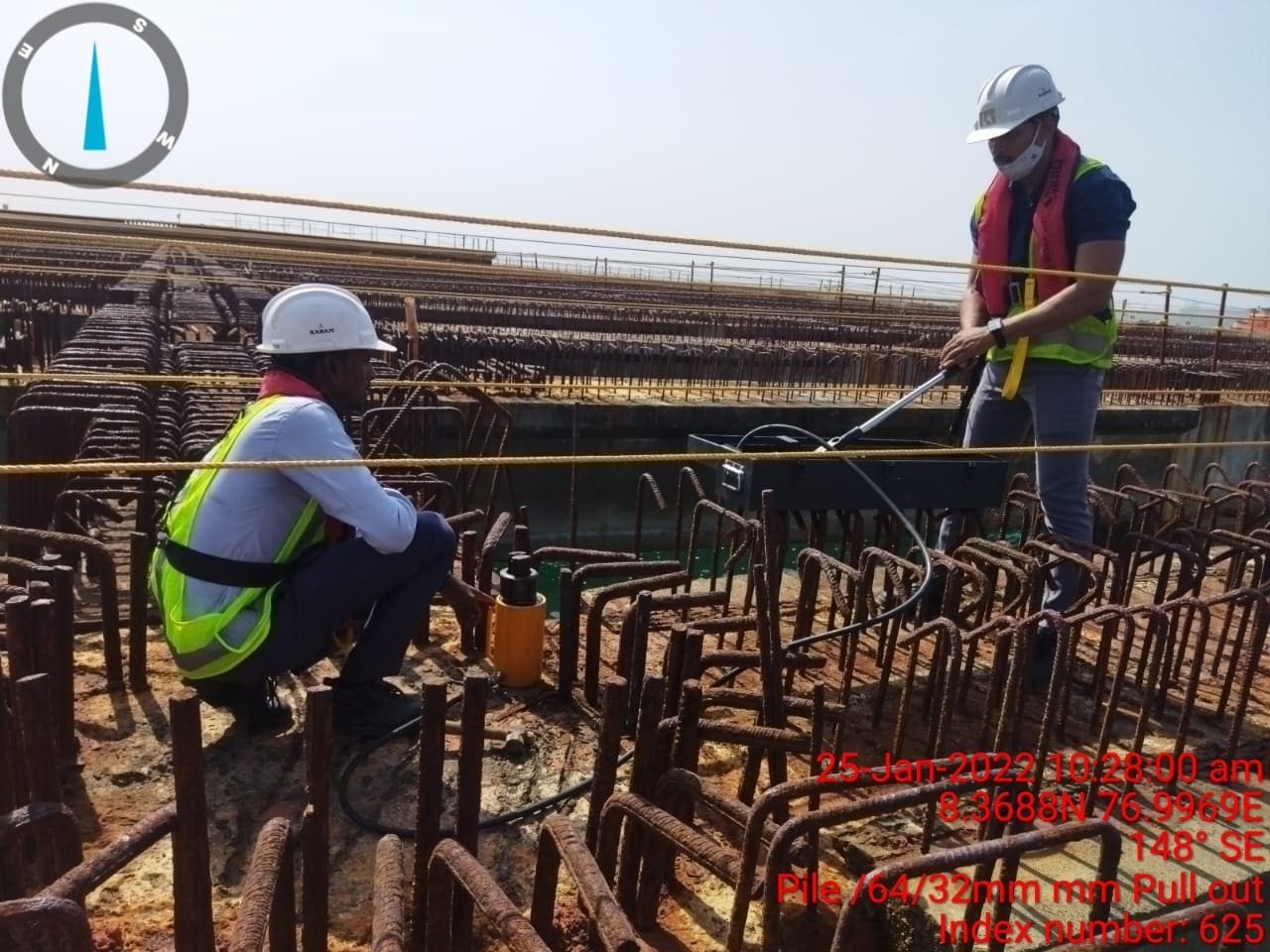
Pile Pullout Load Test
Anchor Pull-out test
Pull out Testing

Know More about GL

  • Key Aspects
  • Certifications
  • FAQS

NABL Accredited

🔍

Advanced Lab & Field Testing

Fast Turnaround Reports

📱

Digital Data & Traceability

🚚

On-Site Testing Across India

Global Lab provides comprehensive testing for construction and engineering materials, including concrete, cement, steel, aggregates, bitumen, soil, tiles, paver blocks, and other civil and infrastructure materials. We also handle customized tests as per client or project specifications.

Yes. Our team is equipped with mobile testing facilities and field instruments for on-site sampling, inspection, and testing — ensuring quick and reliable results without disrupting your project timelines.