
Pile Pullout Load Test
(Tensile Load Test)
Static tensile load test on piles to determine their resistance to upward (pullout) forces — critical for piles subject to uplift from wind, buoyancy, seismic or machinery vibration loads.
What is the Pile Pullout Load Test?
The Pile Pullout Load Test (Tensile Load Test) applies a static upward tensile load to the pile head to determine the pile's resistance to pullout. The test measures the pullout capacity which is governed primarily by skin friction along the pile shaft — end bearing does not contribute to tensile resistance.
Conducted as per ASTM D3689 and IS 2911 Part 4, this test is essential for transmission towers, masts, tanks, basement raft foundations and structures in flood-prone or coastal areas subject to buoyancy uplift. Global Lab uses calibrated hydraulic jacks with tensile reaction frames for accurate pullout load measurement.
Pile Pullout Load Test — Site Images
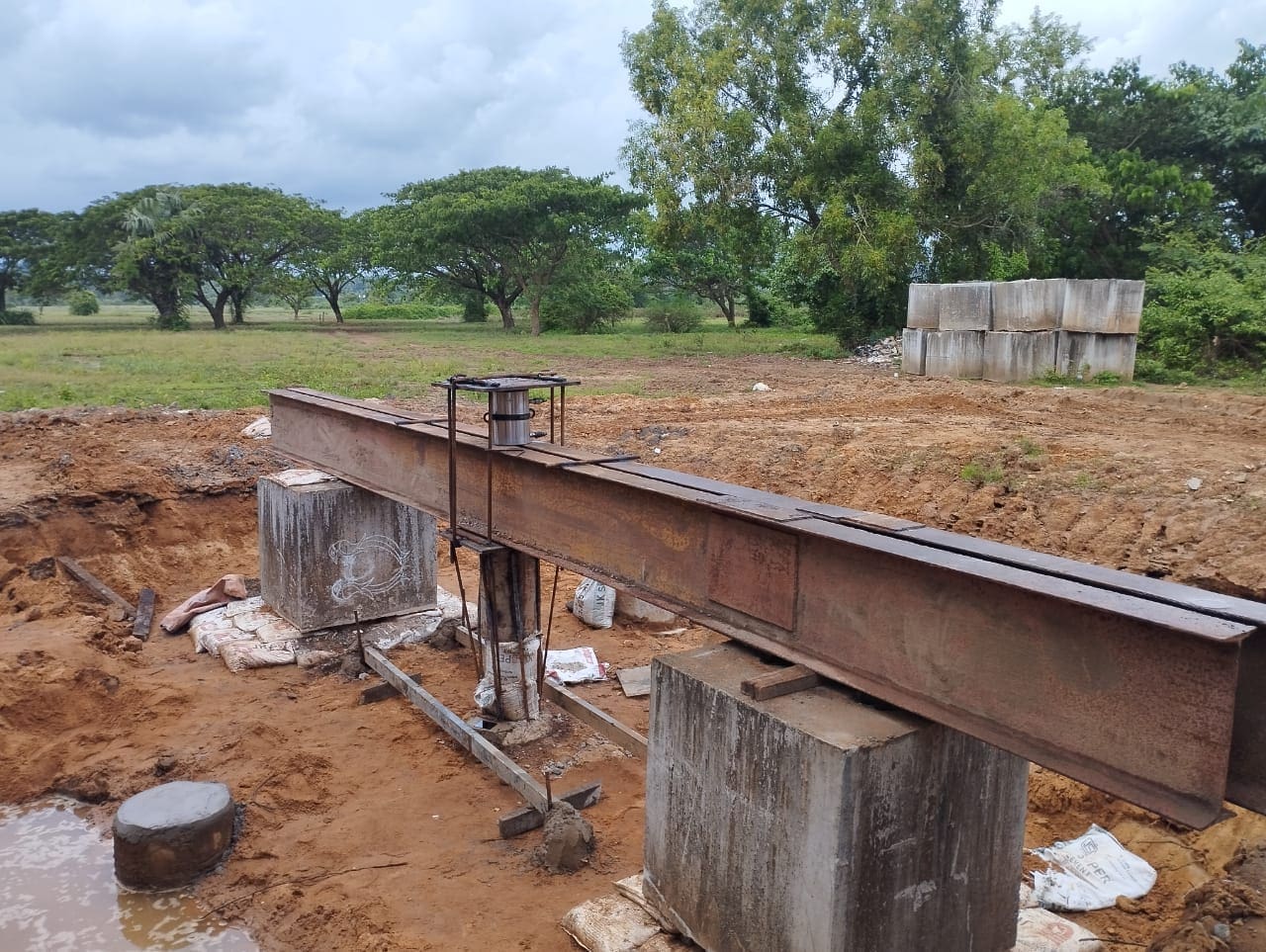
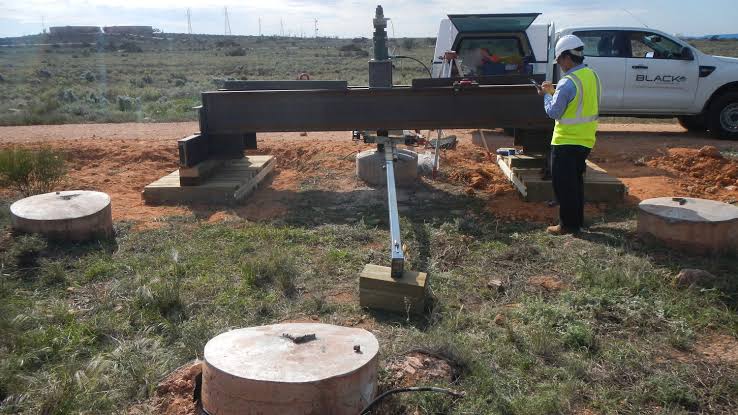
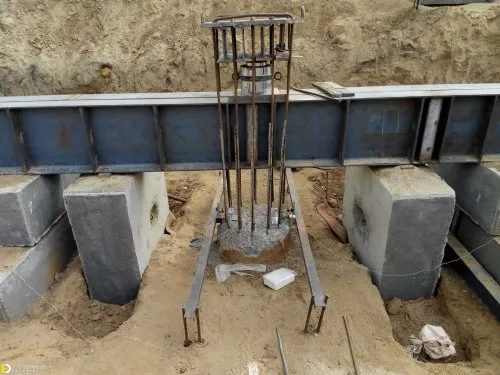
How the Pile Pullout Load Test is Conducted
-
1Tensile Reaction Frame SetupA steel reaction frame is anchored to the ground or to reaction piles on either side of the test pile.
-
2Hydraulic Jack & Load Cell InstallationCalibrated hydraulic jack (inverted) and load cell are placed between the pile head and reaction frame to apply upward load.
-
3Reference Beam & LVDT SetupIndependent reference beams and LVDTs are installed to measure pile head uplift movement precisely.
-
4Incremental Tensile Load ApplicationTensile load is applied in increments per ASTM D3689/IS 2911. Uplift movement is recorded after stabilisation.
-
5Failure/Ultimate Load & ReportingLoad is increased until pullout failure (rapid uplift) or 2× safe tensile load. Load-uplift curve plotted. NABL report issued within 7 days.
Applicable Test Standards
| Standard | Title | Scope | Type |
|---|---|---|---|
| ASTM D3689 | Standard Test Methods for Deep Foundations Under Static Axial Tensile Load | Pullout Test | ASTM |
| IS 2911 Part 4 | Code of Practice for Design and Construction of Pile Foundations — Load Test | Pile Load Test | Indian Standard |
| BS EN ISO 22477-1 | Geotechnical Investigation — Testing of Geotechnical Structures — Part 1 | Foundation Testing | European Standard |
| IS 2911 Part 1 | Design and Construction of Pile Foundations | Pile Design | Indian Standard |