
Plate Load Test
(Bearing Capacity of Soil)
In-situ static load test using a rigid plate to determine the bearing capacity and load-settlement behaviour of soil or rock at foundation level — essential for shallow foundation and pavement design.
What is the Plate Load Test?
The Plate Load Test (PLT) applies an incremental static load to a rigid steel plate placed on the test surface at the proposed foundation level. The resulting settlement is measured at each load increment to produce a load-settlement curve from which the ultimate bearing capacity, safe bearing capacity and modulus of subgrade reaction are determined.
Conducted as per IS 1888, the plate load test is one of the most reliable in-situ tests for bearing capacity determination. It is widely used for shallow foundation design, pavement sub-base assessment and ground improvement verification. Global Lab conducts PLT with 300mm, 450mm and 600mm diameter plates per IS 1888.
Plate Load Test — Site Images
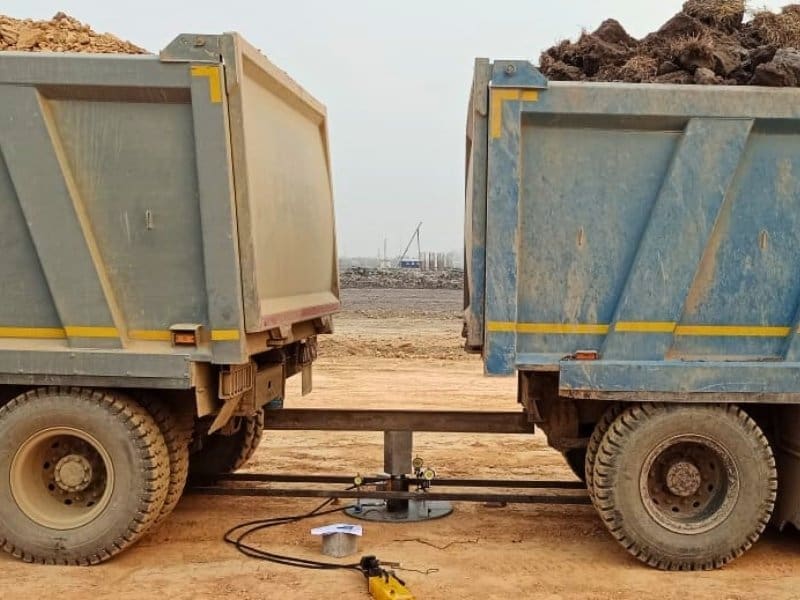
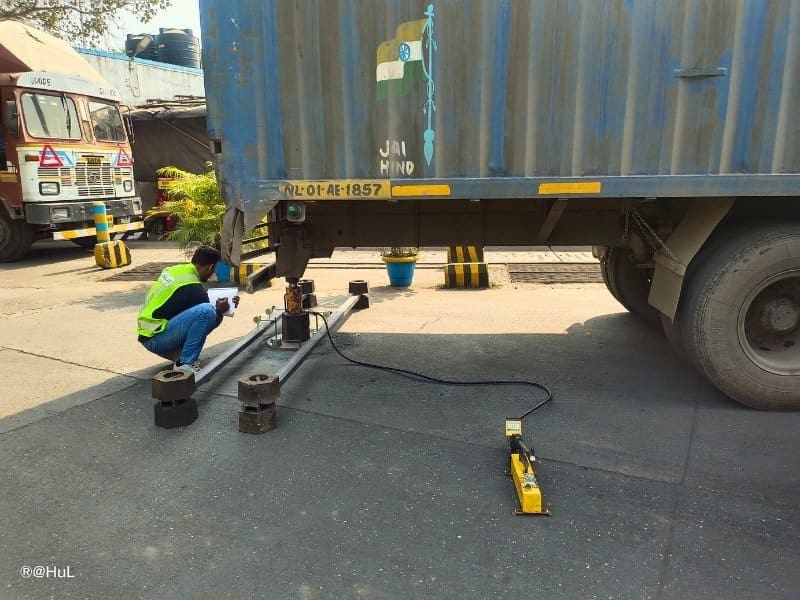
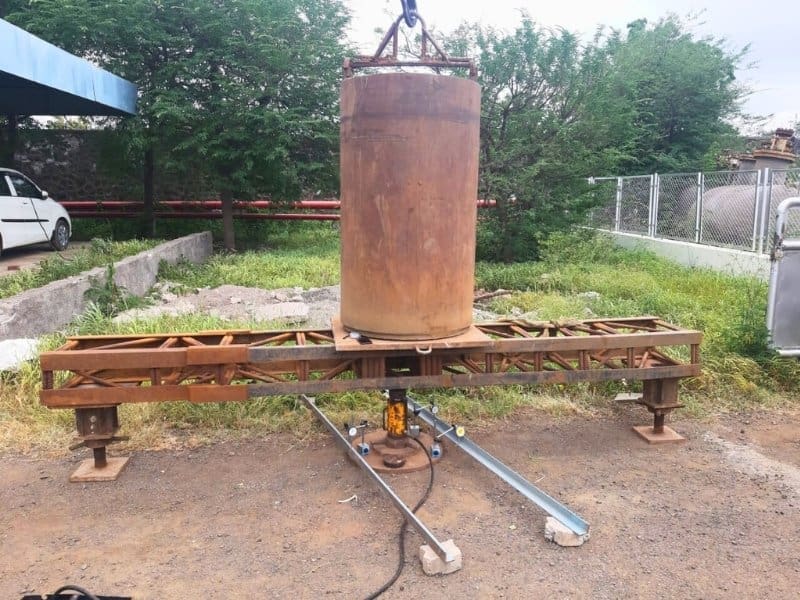
How the Plate Load Test is Conducted
-
1Test Pit ExcavationTest pit is excavated to proposed foundation or sub-grade level. Base is trimmed level and cleared of loose material.
-
2Plate & Reaction SetupSteel plate (300mm dia.) is placed on prepared surface. Kentledge or anchor reaction system is set up above.
-
3InstrumentationDial gauges or LVDTs are installed at minimum 3 points on the plate to measure average settlement.
-
4Incremental LoadingLoad applied in increments of approximately 1/5th of estimated failure load per IS 1888. Settlement recorded after stabilisation.
-
5Bearing Capacity & K-Value CalculationLoad-settlement curve plotted. Ultimate and safe bearing capacity determined. K-value calculated. NABL report within 3 days.
Applicable Test Standards
| Standard | Title | Scope | Type |
|---|---|---|---|
| IS 1888 | Method of Load Test on Soils | Plate Load Test | Indian Standard |
| IS 6403 | Code of Practice for Determination of Bearing Capacity of Shallow Foundations | Bearing Capacity | Indian Standard |
| IRC 37 | Guidelines for the Design of Flexible Pavements | Pavement Design | IRC |
| ASTM D1196 | Standard Test Method for Nonrepetitive Static Plate Load Tests of Soils | Load Test | ASTM |