
Metakaolin Testing
(Calcined Kaolin — Pozzolanic SCM)
Complete physical and chemical testing of metakaolin as a supplementary cementitious material — verifying pozzolanic activity, fineness, chemical composition and strength activity index for high-performance concrete use.
What is the Metakaolin Testing?
Metakaolin is a highly reactive pozzolanic SCM produced by calcining kaolin clay at 650–800°C. With its platelet particle morphology and very high SiO₂ + Al₂O₃ content (typically >90%), metakaolin reacts rapidly with calcium hydroxide to form C-S-H and C-A-S-H gels — providing early strength gain, reduced permeability and improved sulphate resistance.
At Global Lab, metakaolin testing covers physical tests (Blaine fineness, specific gravity, moisture), pozzolanic activity index (Chapelle test and strength activity index), chemical analysis (SiO₂, Al₂O₃, Fe₂O₃, CaO, K₂O, SO₃) and particle size distribution by laser diffraction. Testing conducted per ASTM C618 Class N pozzolan requirements.
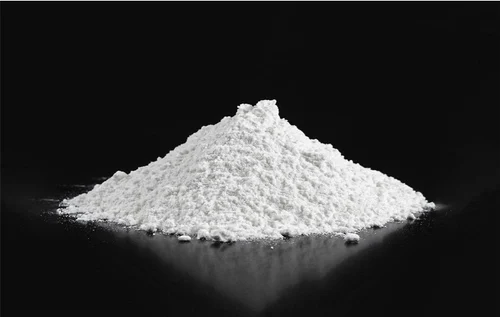
Metakaolin Testing — Site Images
How the Metakaolin Testing is Conducted
-
1Sample CollectionMetakaolin sample collected from bag or bulk delivery per ASTM C618 sampling procedure.
-
2Physical TestsBlaine fineness, specific gravity, moisture content, particle size distribution by laser diffraction.
-
3Pozzolanic ActivityChapelle test — mg Ca(OH)₂ consumed per gram. Strength activity index mortar cubes at 7 and 28 days.
-
4Chemical AnalysisXRF for SiO₂, Al₂O₃, Fe₂O₃, CaO, MgO, SO₃, K₂O, Na₂O and loss on ignition at 950°C.
-
5ASTM C618 Compliance ReportAll results vs Class N pozzolan requirements. NABL report within 35 days.
Applicable Test Standards
| Standard | Title | Scope | Type |
|---|---|---|---|
| ASTM C618 | Standard Specification for Coal Fly Ash and Raw or Calcined Natural Pozzolan for Use in Concrete | Class N Pozzolan | ASTM |
| BS EN 197-1 | Cement — Composition, Specifications and Conformity Criteria | Cement Standard | British Standard |
| IS 1727 | Methods of Test for Pozzolanic Materials | Pozzolan Testing | Indian Standard |
| RILEM TC-CEA | Chemical Admixtures — Testing | Admixture Testing | RILEM |