Skip links

Pile Cyclic Load Test.

Our Services

Understanding Pile Behavior Under Repeated and Dynamic Loading Conditions

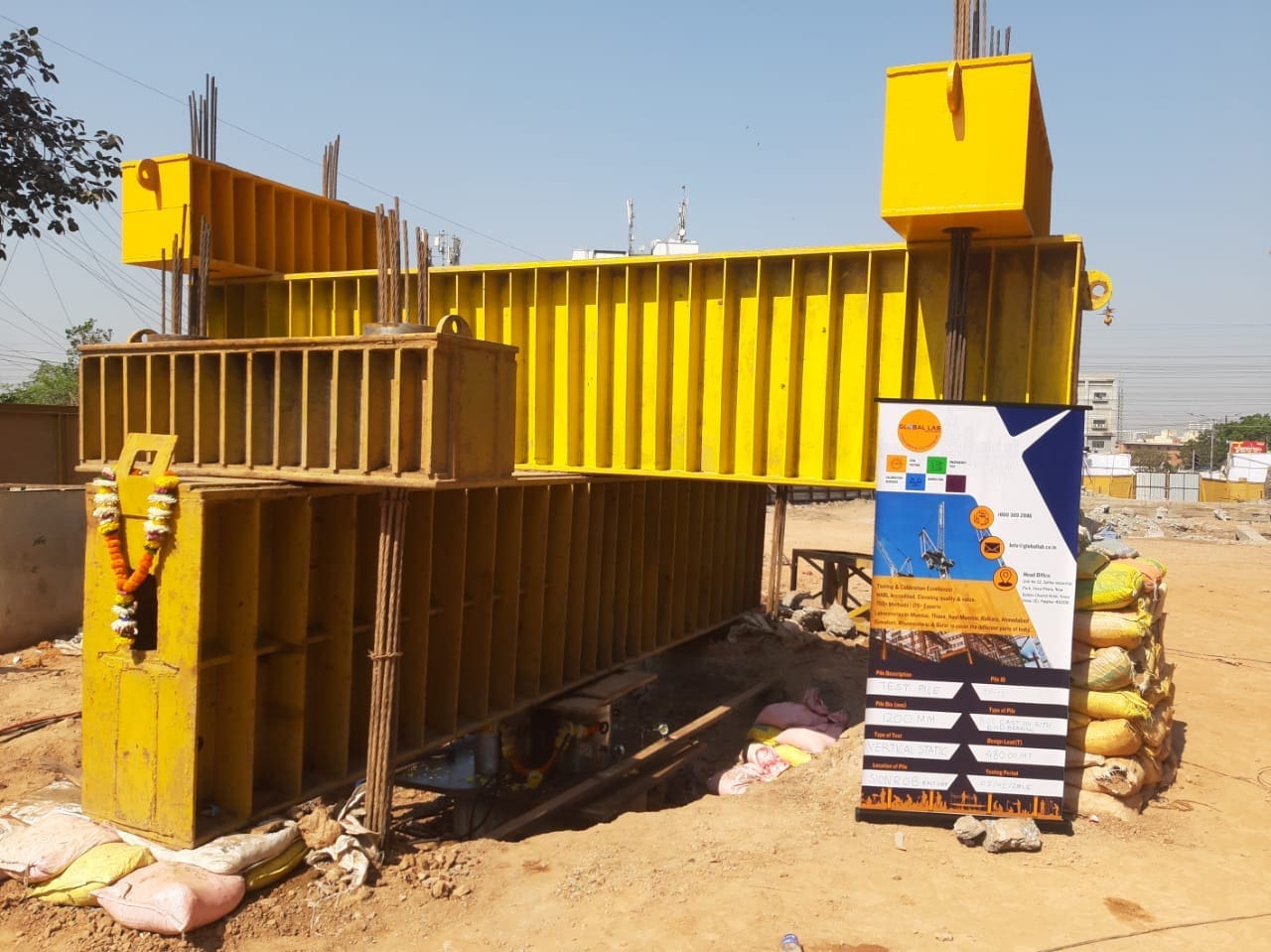
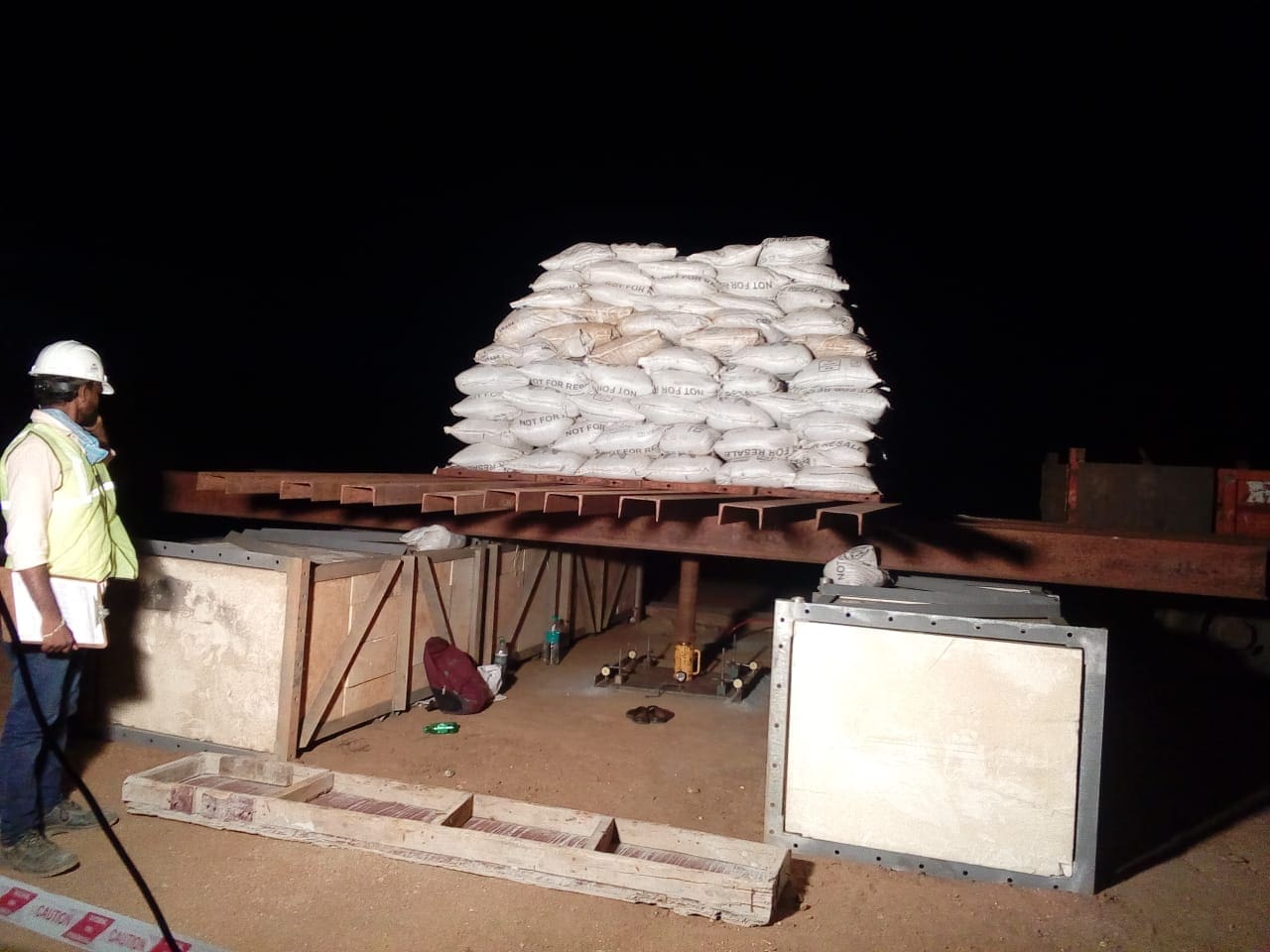
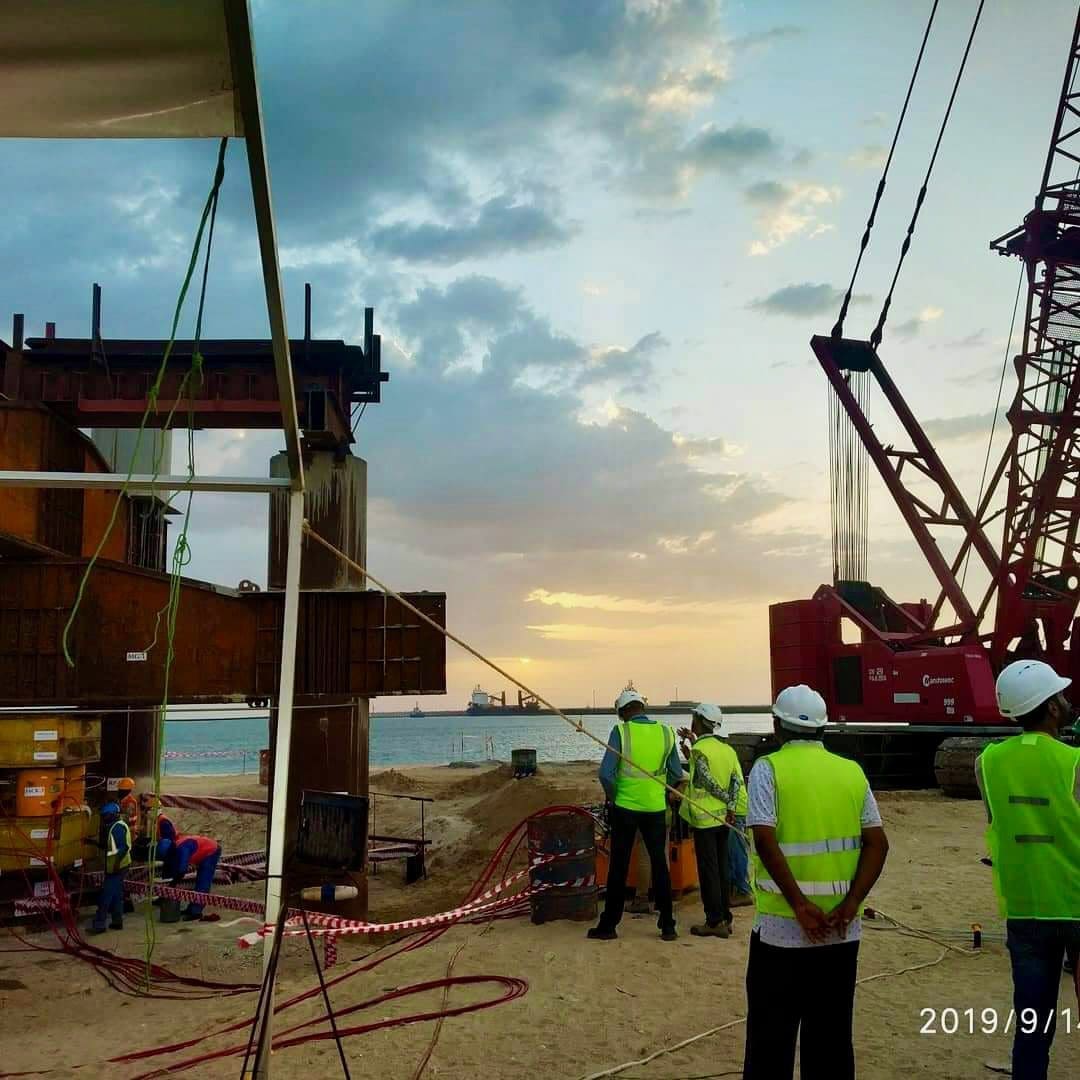
Pile Cyclic Load Test is an advanced form of static load testing designed to evaluate how a pile performs under repeated loading and unloading cycles. Unlike the standard static load test — which applies a single monotonic load — this test simulates the fluctuating or cyclic forces that many structures experience throughout their service life. At Global Lab, we perform Pile Cyclic Load Tests as per IS 2911 (Part 4) using high-precision hydraulic systems and displacement sensors. Our NABL-accredited testing facility provides accurate insights into soil–pile interaction, load transfer mechanisms ensuring your foundations are engineered for real-world performance and durability.

Why PCLTMatters.

To Separate Skin Friction and End-Bearing Resistance

The key purpose of the cyclic test is to differentiate between shaft friction and end-bearing resistance. By analyzing elastic rebound and residual settlement after each unloading, engineers can accurately estimate. The proportion of load carried by pile shaft (skin friction). The proportion transferred to the pile toe (end bearing).

To Simulate Real-World Dynamic Loads

Many modern structures face repeated or vibration-induced loads from sources such as traffic, waves, wind, and machinery. The Pile Cyclic Load Test ensures that piles can withstand these dynamic forces without losing strength, stiffness, or long-term performance.

To Assess Long-Term Settlement and Degradation

Repeated loading can cause progressive settlement and reduction in soil resistance around the pile. The cyclic test simulates this effect to evaluate: Long-term elastic and plastic deformations. Potential degradation of pile capacity under sustained cyclic stress. This data is invaluable for predicting service life performance and maintenance needs in demanding environments.

Applicable to Initial Piles only.

The Cyclic Load Test can be conducted on bored cast-in-situ, driven, CFA, or precast piles across all soil types — from soft clay to dense sand and rock. This versatility makes it the most comprehensive and universally accepted method for pile capacity assessment.

NDT TESTING

GL Advantages.
  • Accredited facility: NABL-grade laboratory with traceable calibration and strict QA systems.

  • Standards compliance: Tests performed to ASTM C1202 (Rapid Chloride Permeability Test) and applicable IS/EN methods.

  • Experienced analysts: Concrete technologists who interpret results and recommend mitigation.

  • Fast, reliable reporting: Clear reports with test data, graphs, comparative benchmarks, and practical recommendations.

  • Field + Lab capability: On-site sampling, specimen curing, and post-test consulting.

Global Lab Advantage.

Accredited facility.
Standards compliance.
Experienced analysts.
Fast, reliable reporting.
Field + Lab capability.


Applications

Bridge and flyover foundations subjected to repetitive traffic loads.
Offshore platforms, jetties, and marine piles under wave action.
Wind turbine and transmission tower foundations exposed to cyclic wind loads.
Industrial foundations supporting rotating or vibrating machinery.
Research and model calibration for geotechnical design optimization.
Pile Cyclic Load Test

Pile Dynamic Test

Know More about GL

  • Key Aspects
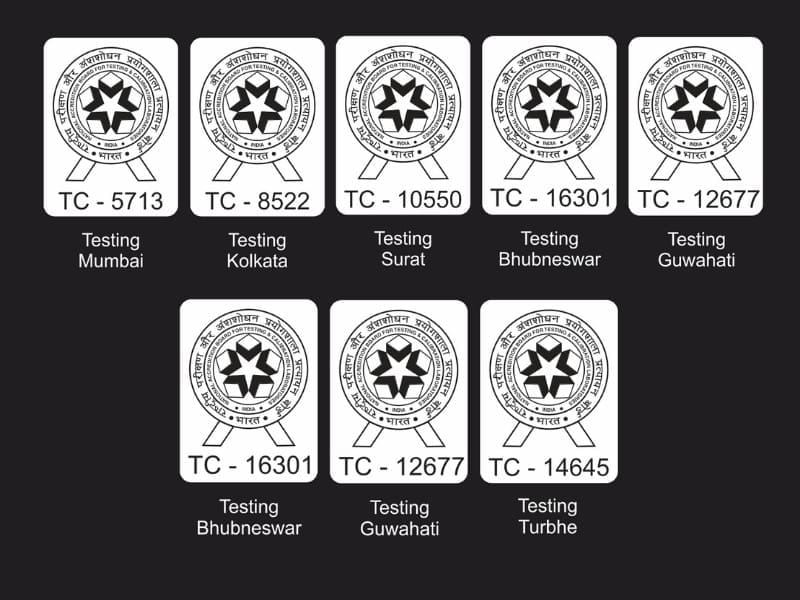
  • Certifications
  • FAQS

NABL Accredited

🔍

Advanced Lab & Field Testing

Fast Turnaround Reports

📱

Digital Data & Traceability

🚚

On-Site Testing Across India

Global Lab provides comprehensive testing for construction and engineering materials, including concrete, cement, steel, aggregates, bitumen, soil, tiles, paver blocks, and other civil and infrastructure materials. We also handle customized tests as per client or project specifications.

Yes. Our team is equipped with mobile testing facilities and field instruments for on-site sampling, inspection, and testing — ensuring quick and reliable results without disrupting your project timelines.