
NABL Accredited · Dimensional Calibration
Marshall Stability Mould Calibration
(ASTM D6926 — 101.6mm Bituminous Mix Mould)
NABL-accredited calibration of Marshall stability moulds (101.6mm internal diameter) per ASTM D6926 — verifying 9-point diameter mapping and out-of-roundness for bituminous mix specimen preparation.
ASTM D6926
Standard
±0.1mm
Accuracy
1 Day
Report TAT
NABL
Accredited
NABL Accredited Lab · ISO/IEC 17025:2017
Digital Reports via Autovity QLMS
Pan-India · 7 Lab Locations
Est. 2009 · 20,000+ Projects
Overview
Marshall Stability Mould Calibration ?
The Marshall Stability Mould (101.6±0.05mm dia per ASTM D6926) produces bituminous mix specimens for Marshall stability and flow testing. A worn or out-of-round mould introduces systematic errors in voids analysis and stability.
At Global Lab, Marshall mould calibration per ASTM D6926 and IS 1201 verifies: internal diameter at 3 heights × 3 diameters = 9 measurements, out-of-roundness, base plate flatness and collar fit — using a calibrated inside micrometer.
Non-Destructive
Minimal surface preparation. Structure integrity is preserved throughout testing.
Fast Turnaround
On-site results within hours. Digital reports dispatched within 24 hours.
NABL Certified
All test and calibration results are backed by traceable measurements and standardized procedures.
Pan-India Coverage
Site engineers deployed across 7 lab locations and all major project sites.
Digital Reporting
Access reports anytime via Autovity QLMS client dashboard — zero paperwork.
High Accuracy
Results correlated to cube compressive strength with ±2% precision range.
Test in Action
Marshal Stability Mould Calibration — Site Images
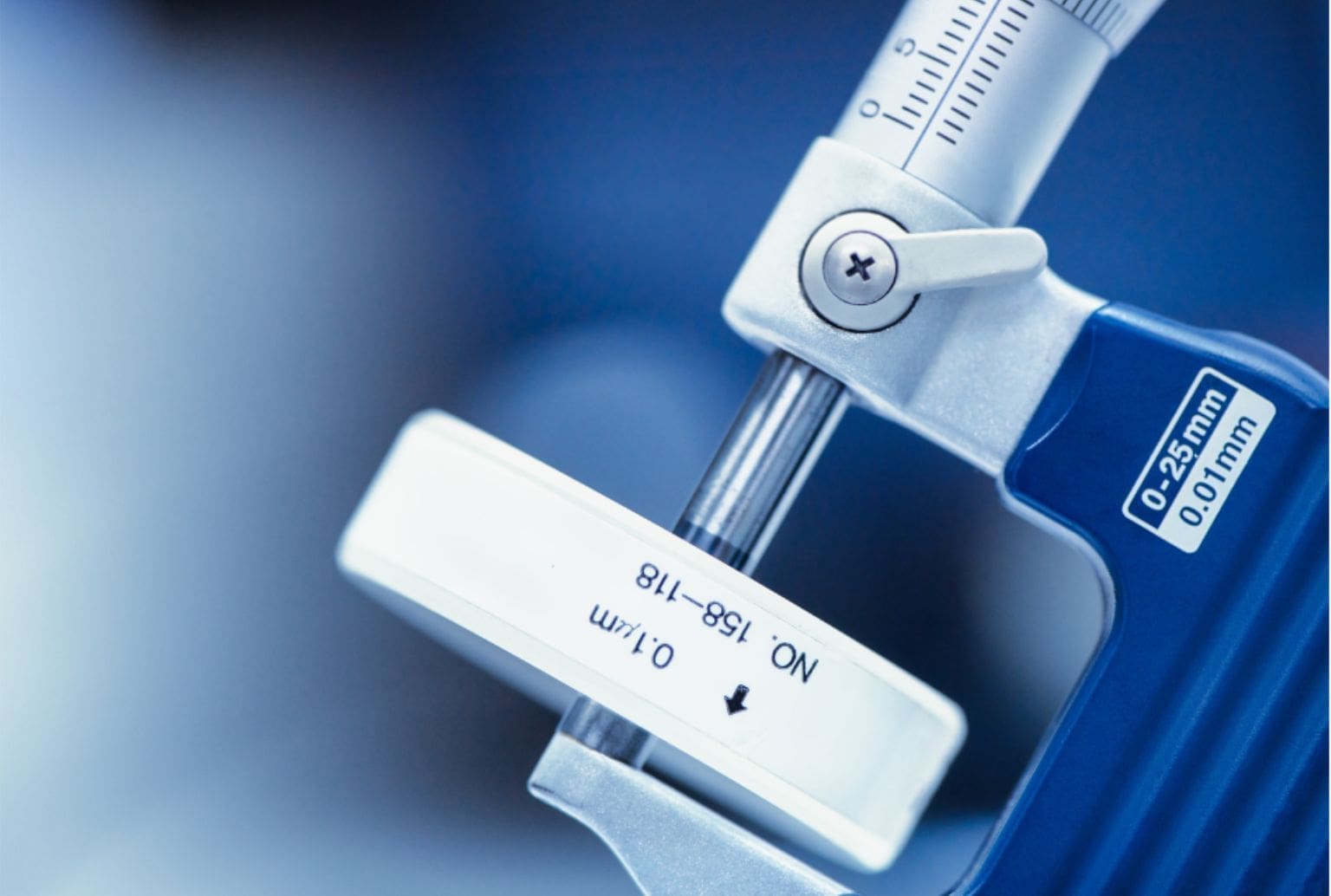
Marshall Mould 9-Point Internal Diameter Measurement
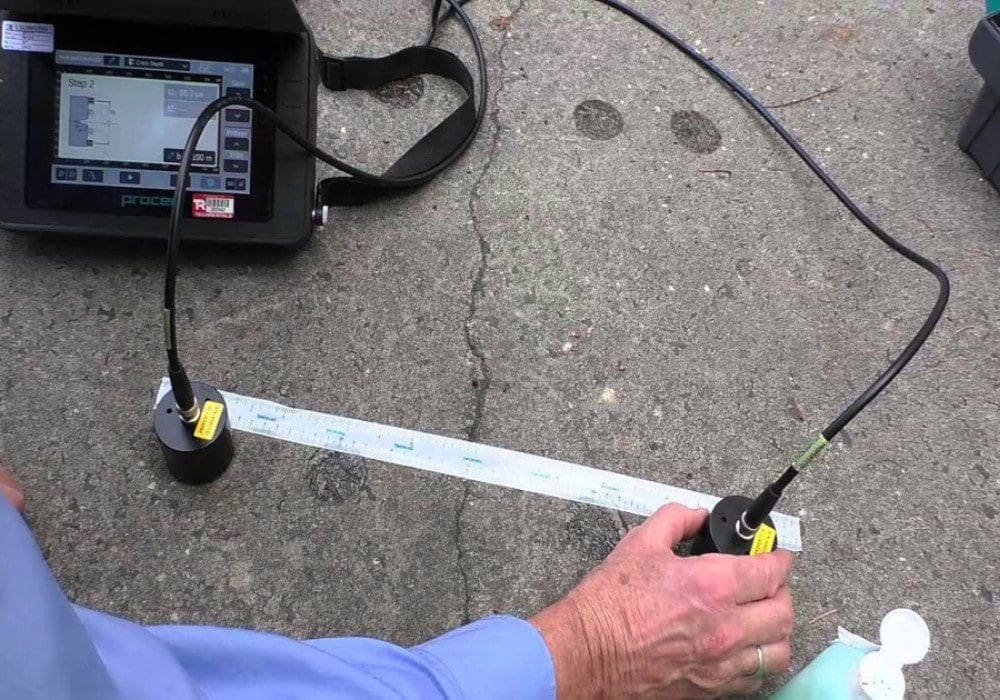
Out-of-Roundness from Max-Min Diameter
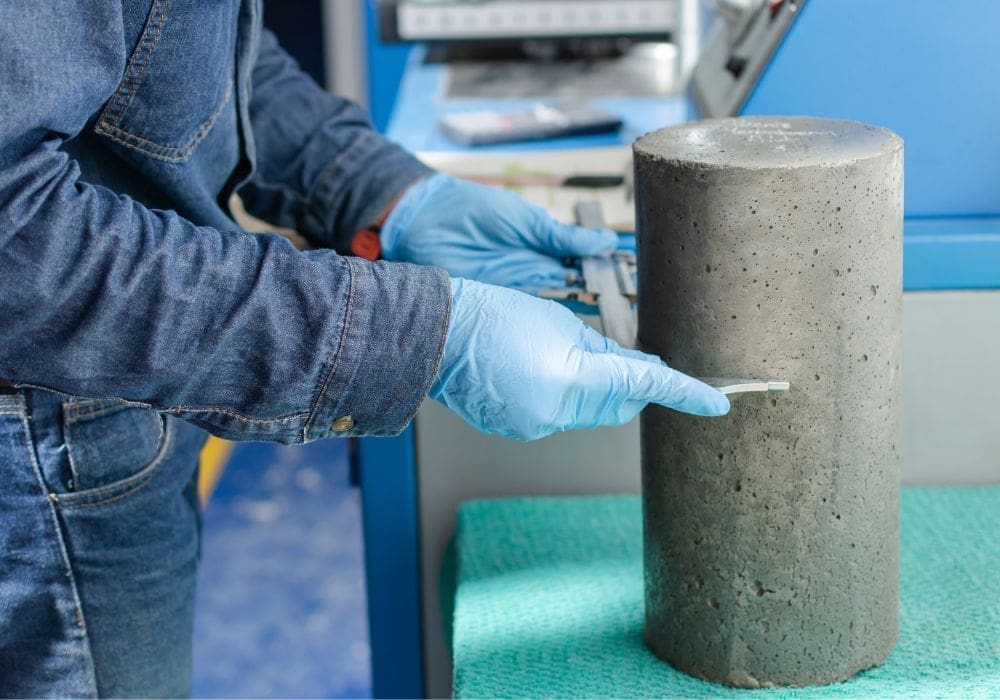
ASTM D6926 Certificate — Mean Diameter Certified
Test Procedure
How the Marshal Stability Mould Calibration is Conducted
-
1
Surface Preparation
A shallow groove (approx. 25mm deep) is cut into the concrete surface using a diamond-tipped cutting tool. The surface is cleaned of dust and debris. -
2
Insert Disc Placement
A specially designed steel insert disc is placed into the groove. A thin rod connects the disc to the pullout apparatus above the surface. -
3
Hydraulic Pullout Force Application
A hydraulic jack applies a steady, controlled pullout force to the insert disc via the reaction ring resting on the concrete surface. -
4
Failure Load Recording
The maximum force at which the concrete cone is extracted is recorded. A digital load indicator provides real-time readings with data logging. -
5
Strength Calculation & Reporting
The pullout force is correlated to cube compressive strength using established calibration curves. NABL-accredited reports are issued via Autovity QLMS.
Standards & Specifications
Applicable Test Standards
| Standard | Title | Scope | Type |
|---|---|---|---|
| ASTM D6926 | Standard Practice for Preparation of Bituminous Specimens Using Marshall Apparatus | Marshall Mould | ASTM |
| IS 1201 | Methods for Testing Tar and Bituminous Materials | Bituminous Testing | Indian Standard |
| IS 3651 | Vernier Calipers | Reference Instrument | Indian Standard |
| NABL-141 | NABL Policy on Metrological Traceability | Traceability | NABL |
Applications
Where is the Marshal Stability Mould Calibration Used?
Annual Marshall mould calibration for NABL bituminous laboratory
NHAI highway asphalt laboratory Marshall mould calibration
Asphalt plant QC laboratory Marshall mould verification
Research bituminous mix Marshall mould calibration
New Marshall mould acceptance inspection
Marshall mould audit when voids analysis results disputed
Why Choose Global Lab
Our Advantages
NABL Accredited CertificatesASTM D6926 Marshall mould certificates for NABL assessment.
9-Point DiameterComprehensive out-of-roundness — worn non-circular moulds identified.
Fast 1-Day CertificateCertificate within 1 working day.
Bituminous Lab PackageMarshall mould + hydraulic press + stability machine together.
Pan-India CoverageDimensional calibration at all 7 locations.
NHAI ExperienceExperienced in bituminous lab calibration for NHAI.