
Grout Testing
(Tile Grout — BS EN 13888)
Complete mechanical and physical testing of cementitious and epoxy tile grouts — verifying compressive strength, flexural strength, abrasion resistance, water absorption and colour stability per BS EN 13888.
What is the Grout Testing?
Tile Grout fills the joints between ceramic, porcelain, natural stone and glass mosaic tiles — providing structural continuity, waterproofing and aesthetics. BS EN 13888 classifies grouts as CG1 (normal), CG2 (improved), RG (reactive epoxy) based on compressive strength, abrasion resistance, water absorption and shrinkage performance.
At Global Lab, grout testing is conducted as per BS EN 13888 covering compressive strength, flexural strength, abrasion resistance (Taber), water absorption (30-minute and 240-minute), shrinkage, colour stability after UV exposure and efflorescence — providing complete CG1/CG2/RG classification for product approval and CE marking.
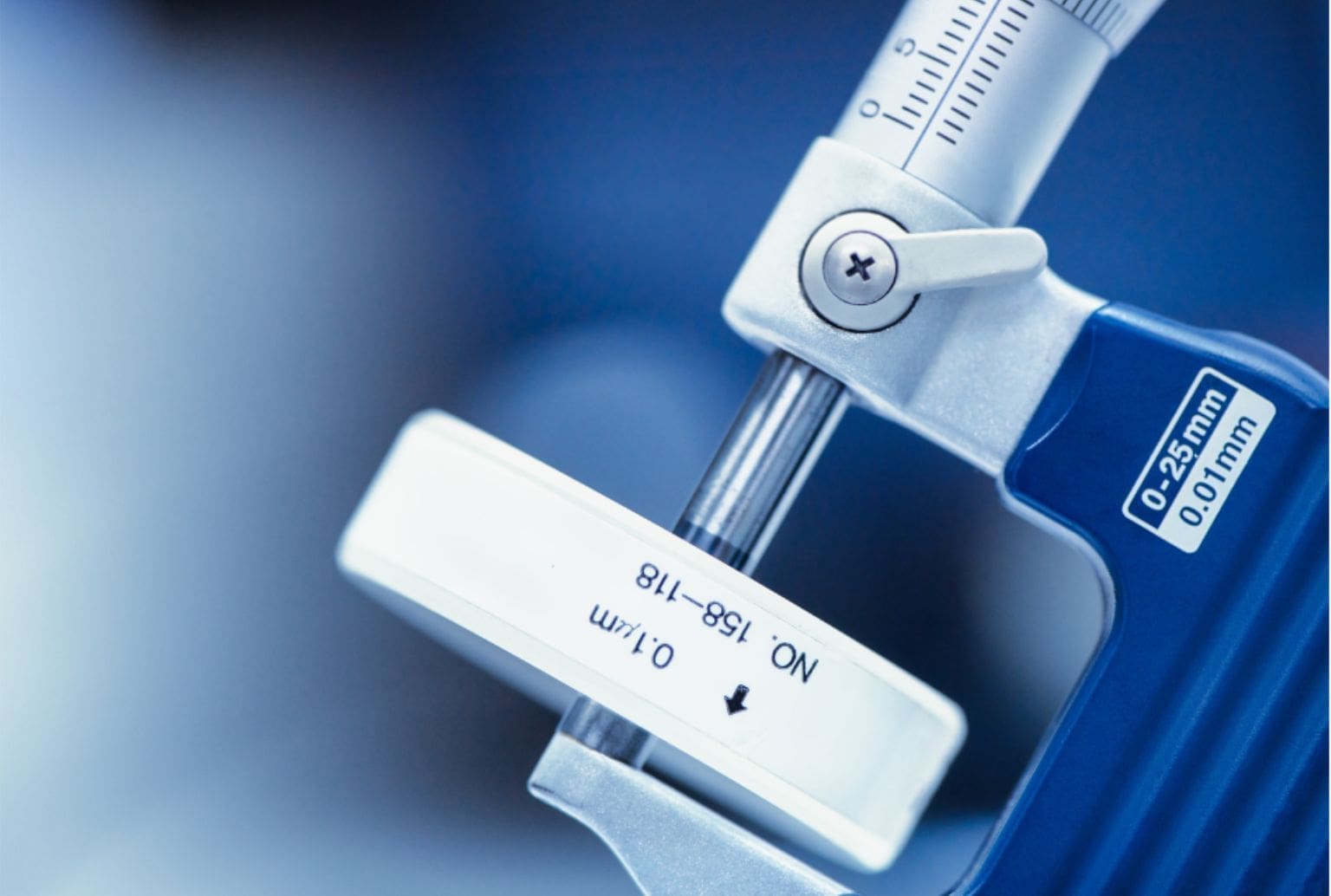
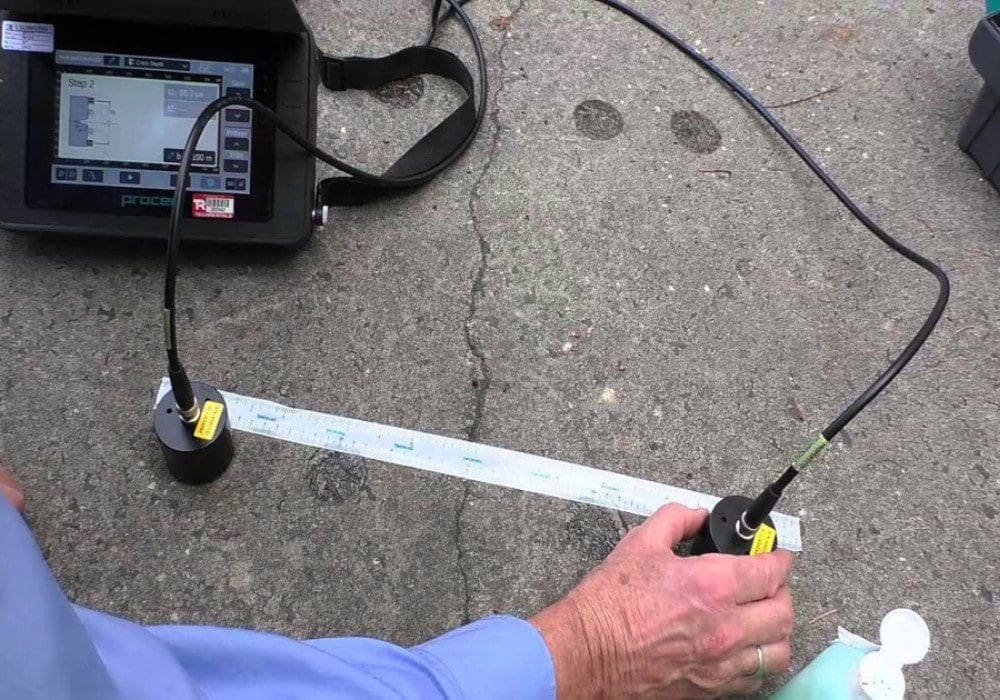
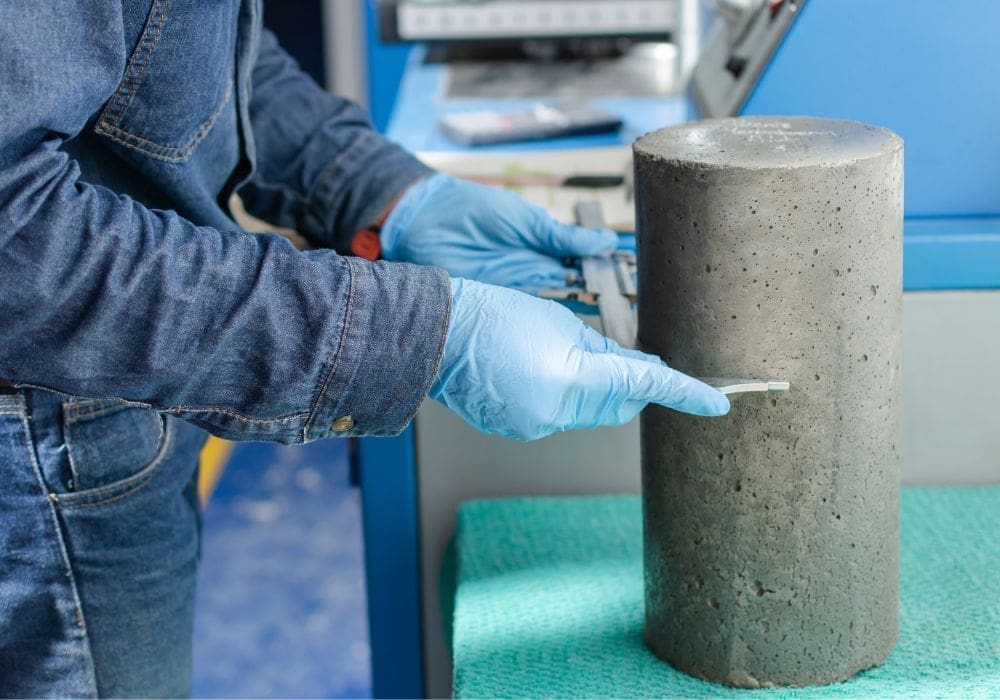
Grout Testing — Site Images
How the Grout Testing is Conducted
-
1Sample PreparationGrout mixed at manufacturer's specified water/powder ratio. Consistency verified.
-
2Specimen CastingPrisms (40×40×160mm) and flat slabs cast per BS EN 13888.
-
3Strength TestingCompressive and flexural strength at 28 days per BS EN 196-1 method.
-
4Abrasion & Water AbsorptionTaber abrasion test on cured grout slab. 30-min and 240-min water absorption measured.
-
5Classification & ReportCG1/CG2/RG class assigned from results. NABL report within 28 days.
Applicable Test Standards
| Standard | Title | Scope | Type |
|---|---|---|---|
| BS EN 13888 | Grout for Tiles — Requirements, Evaluation of Conformity, Classification and Designation | Grout Standard | British Standard |
| BS EN 196-1 | Methods of Testing Cement — Determination of Strength | Strength Testing | British Standard |
| IS 15477 | Adhesives for Ceramic Tiles — Specification | Tile Products Reference | Indian Standard |
| ASTM C109 | Standard Test Method for Compressive Strength of Hydraulic Cement Mortars | Mortar Strength | ASTM |