
Block Joining Mortar Testing
(Thin Bed Mortar — BS EN 998-2)
Complete mechanical and physical testing of block joining mortars for AAC, hollow concrete and masonry blocks — verifying compressive strength, adhesion, open time, water retention and consistency per BS EN 998-2.
What is the Block Joining Mortar Testing?
Block Joining Mortar is a factory-made cementitious mortar designed for jointing masonry units — AAC blocks, hollow concrete blocks, fly ash bricks and clay bricks. Unlike site-mixed mortar, factory-made block joining mortars have controlled water retention, consistency and adhesion properties for consistent joint quality.
At Global Lab, block joining mortar testing is conducted as per BS EN 998-2 covering compressive strength (M2.5–M20 class designation), flexural strength, adhesion bond strength, open time, water retention and fresh mortar consistency — providing complete product characterisation for manufacturer certification and construction quality control.
Block Joining Mortar Testing — Site Images
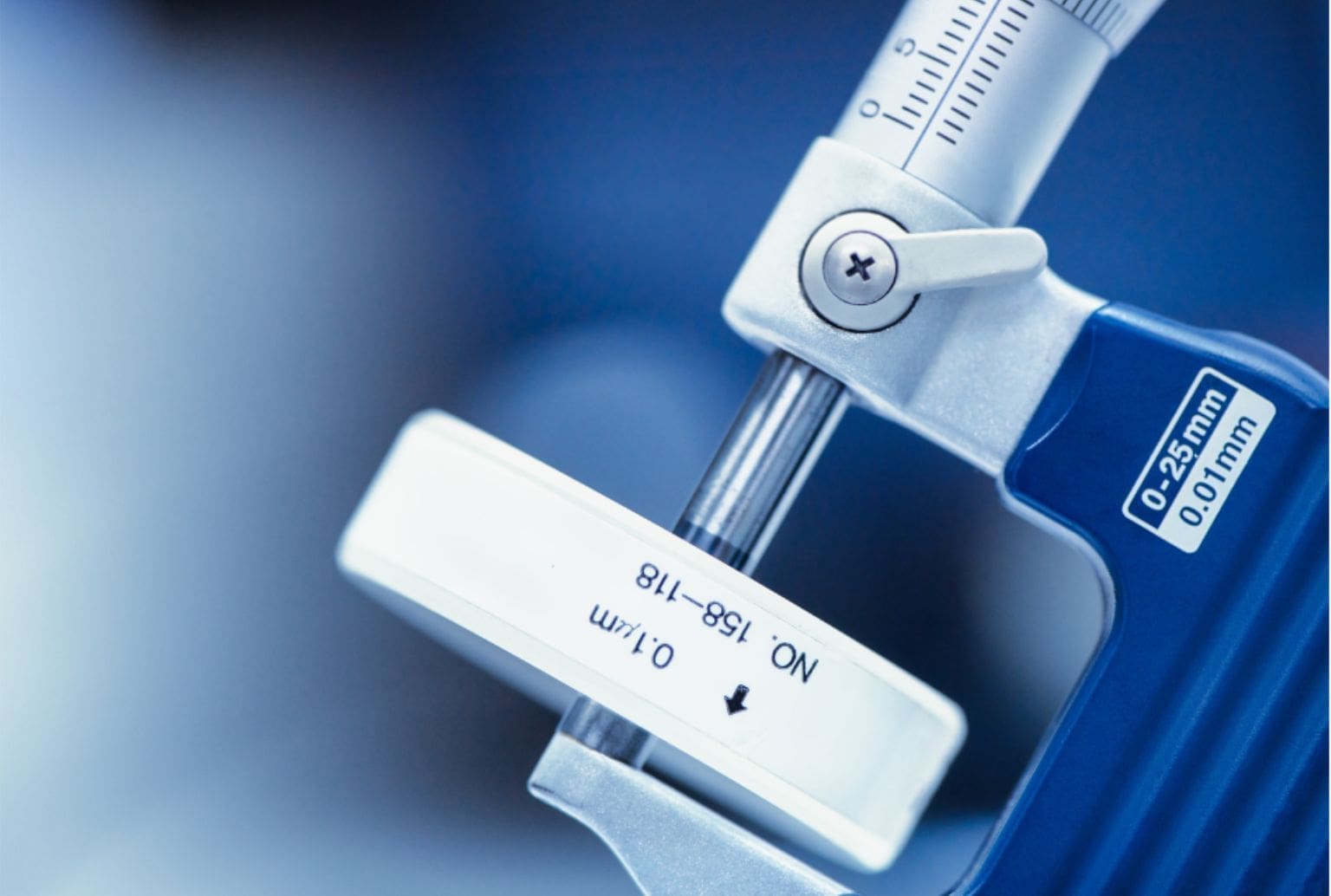
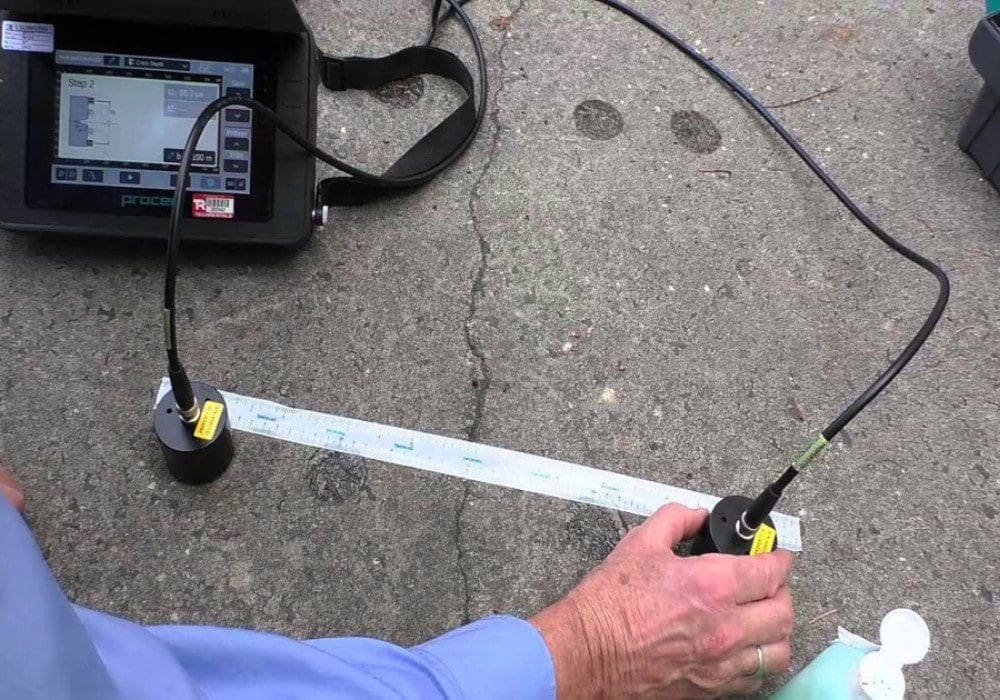
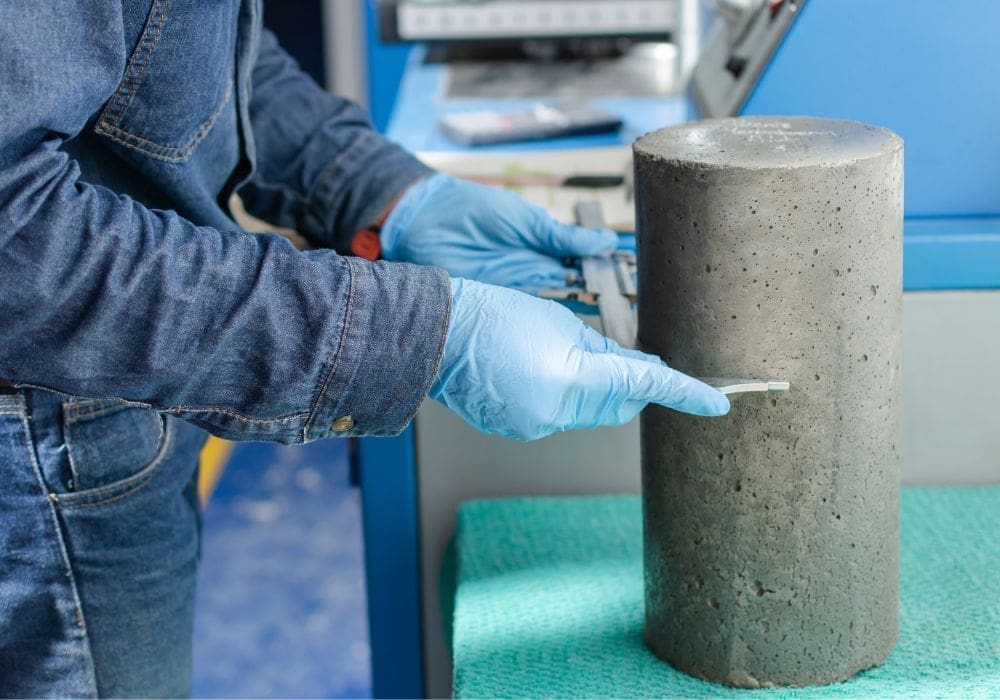
How the Block Joining Mortar Testing is Conducted
-
1Sample PreparationMortar mixed at specified w/c ratio. Fresh mortar consistency (flow table) measured.
-
2Fresh Mortar TestsConsistency, bulk density, air content, water retention and setting time tested.
-
3Strength Specimen Casting40×40×160mm prisms cast per BS EN 1015-11. Cured at 20°C/65% RH.
-
4Strength TestingFlexural and compressive strength at 7 and 28 days per BS EN 1015-11.
-
5Bond & M Class ReportAdhesion bond strength tested. M class assigned from compressive strength. NABL report within 28 days.
Applicable Test Standards
| Standard | Title | Scope | Type |
|---|---|---|---|
| BS EN 998-2 | Specification for Mortar for Masonry — Masonry Mortar | Block Mortar | British Standard |
| BS EN 1015-11 | Methods of Test for Mortar — Determination of Flexural and Compressive Strength | Mortar Strength | British Standard |
| IS 2250 | Code of Practice for Preparation and Use of Masonry Mortars | Masonry Mortar | Indian Standard |
| BS EN 1015-12 | Methods of Test for Mortar — Determination of Adhesive Strength | Bond Strength | British Standard |