
Universal Testing Machine Calibration
(UTM Calibration — IS 1828 / ISO 7500-1)
NABL-accredited on-site calibration of Universal Testing Machines (UTM) per ISO 7500-1 and IS 1828 — verifying force accuracy, repeatability, zero error and resolution across full load range for Class 1 or Class 2 compliance.
What is the Universal Testing Machine Calibration?
The Universal Testing Machine (UTM) is used for tensile, compressive, flexural and shear testing of metals, polymers, composites and construction materials. Regular calibration per ISO 7500-1 (Metallic Materials — Calibration and Verification of Static Uniaxial Testing Machines) ensures that the force measurement system — load cell, hydraulic/servo drive, display — maintains traceable accuracy throughout its working range.
At Global Lab, UTM calibration is conducted using NABL-accredited reference standard load cells (traceable to NPL India / BIPM) by applying known forces at multiple points across the machine's range. Force error (%), repeatability and zero error are calculated per ISO 7500-1 Class 1 (±1%) or Class 2 (±2%) requirements. Calibration is performed on-site at client laboratory — no dismantling or transport required.
Non-Destructive
Fast Turnaround
NABL Certified
Pan-India Coverage
Digital Reporting
High Accuracy
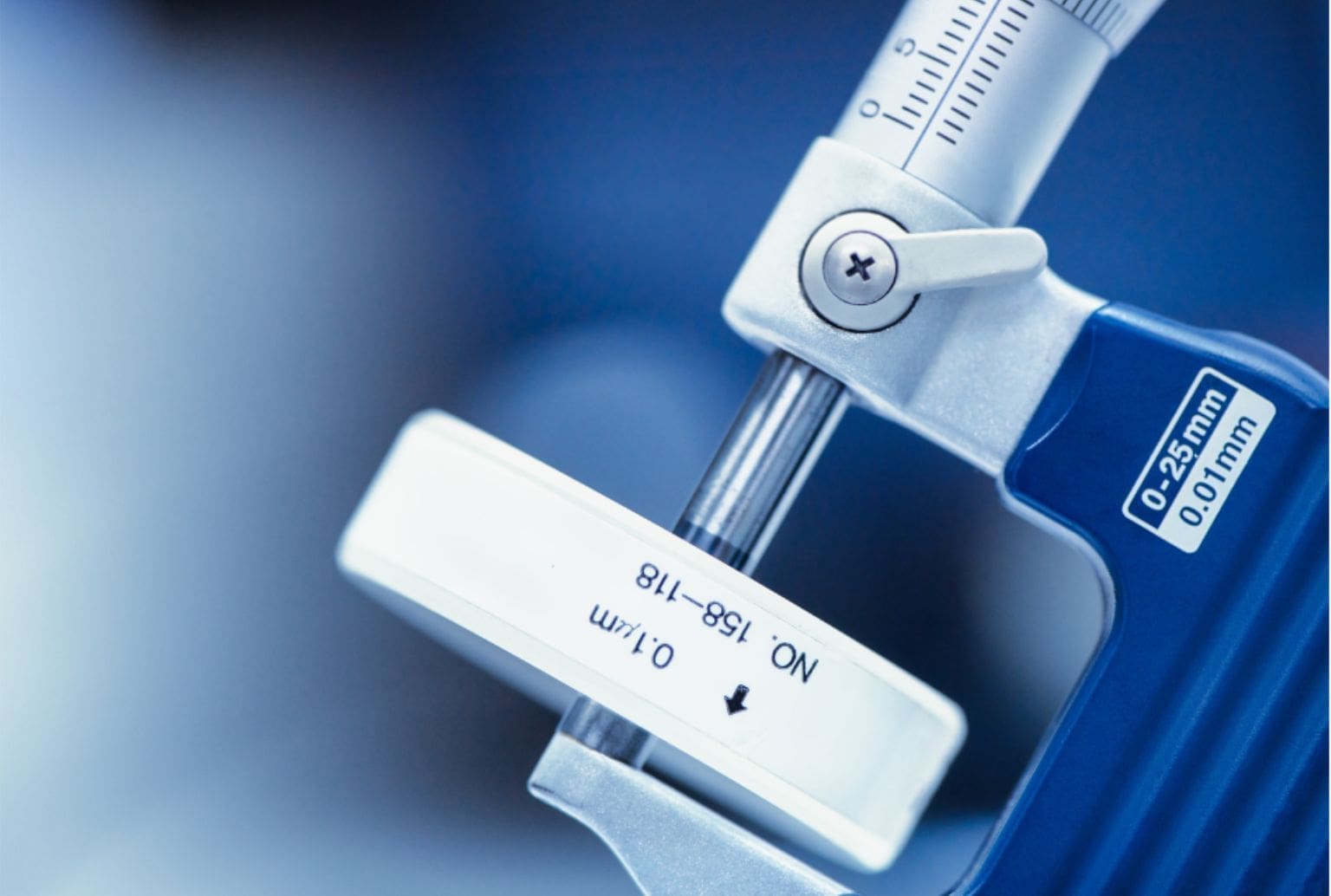
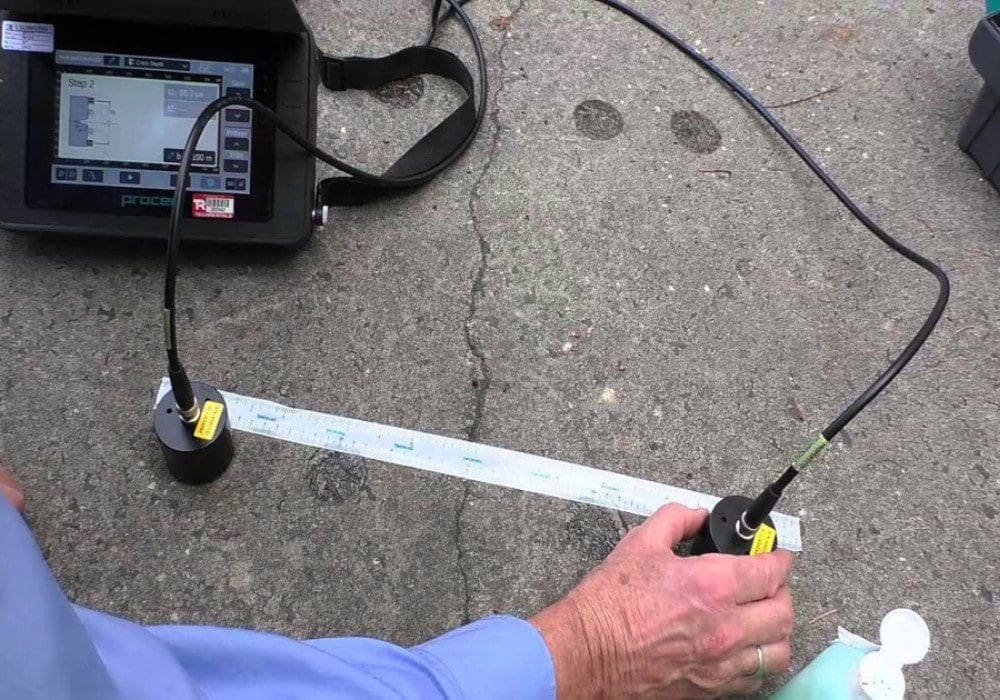
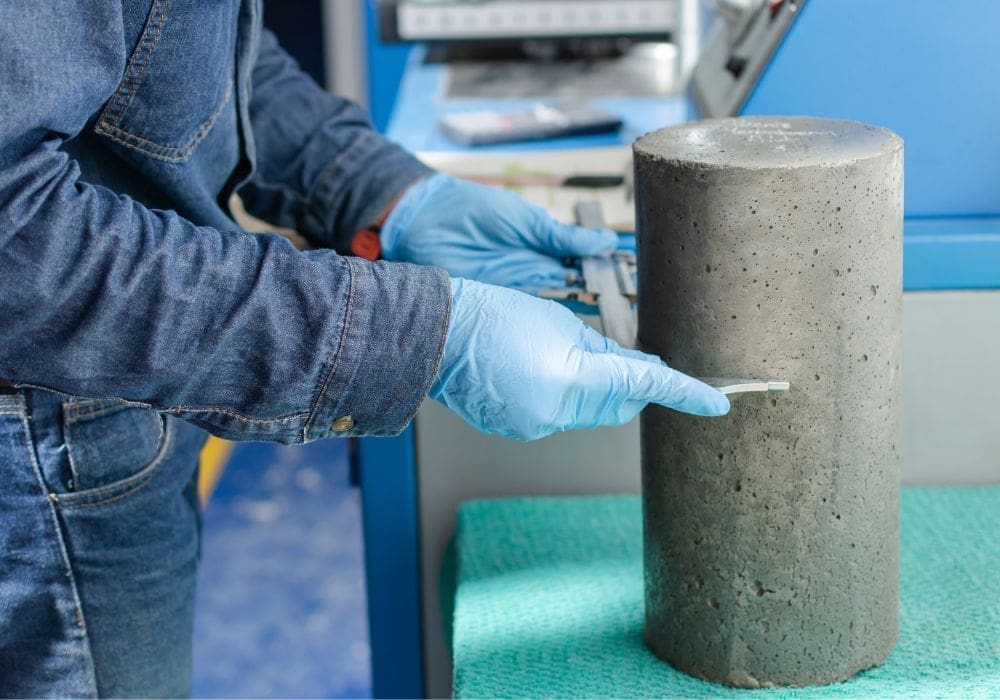
Universal Testing Machine Calibration — Site Images
How the Universal Testing Machine Calibration is Conducted
-
1
Surface Preparation
A shallow groove (approx. 25mm deep) is cut into the concrete surface using a diamond-tipped cutting tool. The surface is cleaned of dust and debris. -
2
Insert Disc Placement
A specially designed steel insert disc is placed into the groove. A thin rod connects the disc to the pullout apparatus above the surface. -
3
Hydraulic Pullout Force Application
A hydraulic jack applies a steady, controlled pullout force to the insert disc via the reaction ring resting on the concrete surface. -
4
Failure Load Recording
The maximum force at which the concrete cone is extracted is recorded. A digital load indicator provides real-time readings with data logging. -
5
Strength Calculation & Reporting
The pullout force is correlated to cube compressive strength using established calibration curves. NABL-accredited reports are issued via Autovity QLMS.
Applicable Test Standards
| Standard | Title | Scope | Type |
|---|---|---|---|
| ISO 7500-1 | Metallic Materials — Calibration and Verification of Static Uniaxial Testing Machines | UTM Calibration | ISO |
| IS 1828 | Methods for Calibration of Testing Machines for Tensile Testing | UTM Calibration | Indian Standard |
| NABL-141 | NABL Policy on Metrological Traceability of Measurement Results | Traceability | NABL |
| ILAC P10 | ILAC Policy on the Traceability of Measurement Results | Traceability Policy | ILAC |