
Chemical Analysis — Threaded Steel Fasteners
(IS 1367 / IS 1148 — Fastener Chemical Testing)
Chemical composition testing of threaded steel fasteners (bolts, nuts, screws, studs) per IS 1367 and IS 1148 — verifying C, Mn, S, P, Si, Cr for property class designation and application compliance.
What is the Chemical Analysis — Threaded Steel Fasteners?
Threaded Steel Fastener Chemical Analysis verifies that bolts, nuts, screws and studs have the correct chemical composition for their specified property class (IS 1367: Class 4.6 to 12.9). Higher property classes require controlled carbon, alloy elements and hardenability — Class 8.8 and above require medium carbon or alloy steel; Class 10.9 and 12.9 require alloy steel with Cr, Mn or Mo.
At Global Lab, fastener chemical analysis by OES covers all IS 1367 property classes — from plain carbon steel (Class 4.6, 5.6, 8.8 low carbon) to alloy steel (Class 9.8, 10.9, 12.9). The chemical composition is used to verify both the material grade and to confirm that the fastener was made from the correct base material — critical for structural and safety-critical applications.
Non-Destructive
Fast Turnaround
NABL Certified
Pan-India Coverage
Digital Reporting
High Accuracy
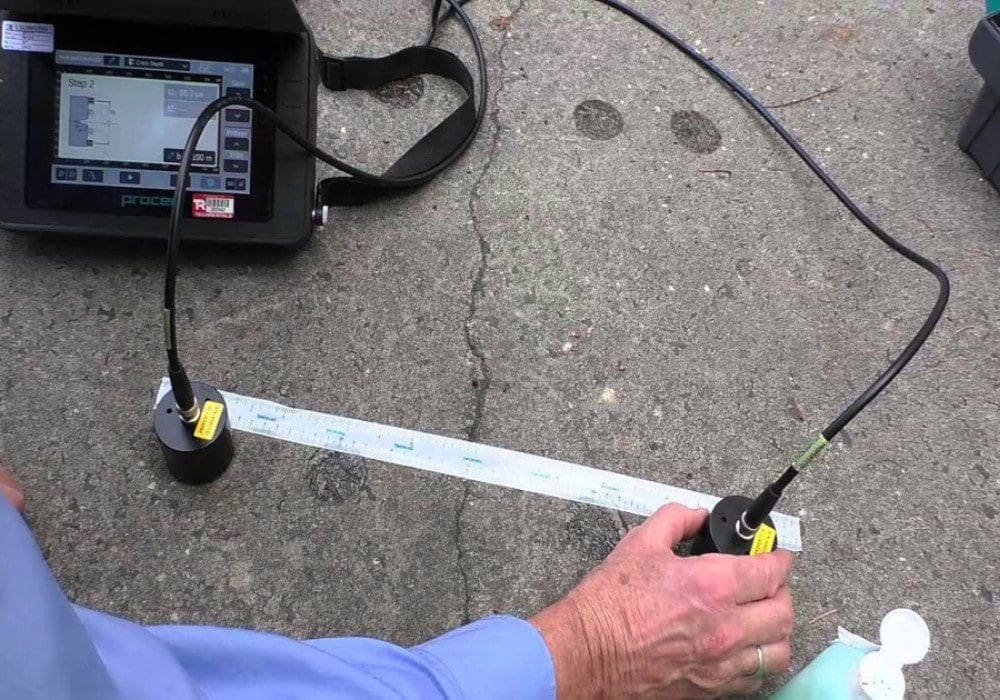
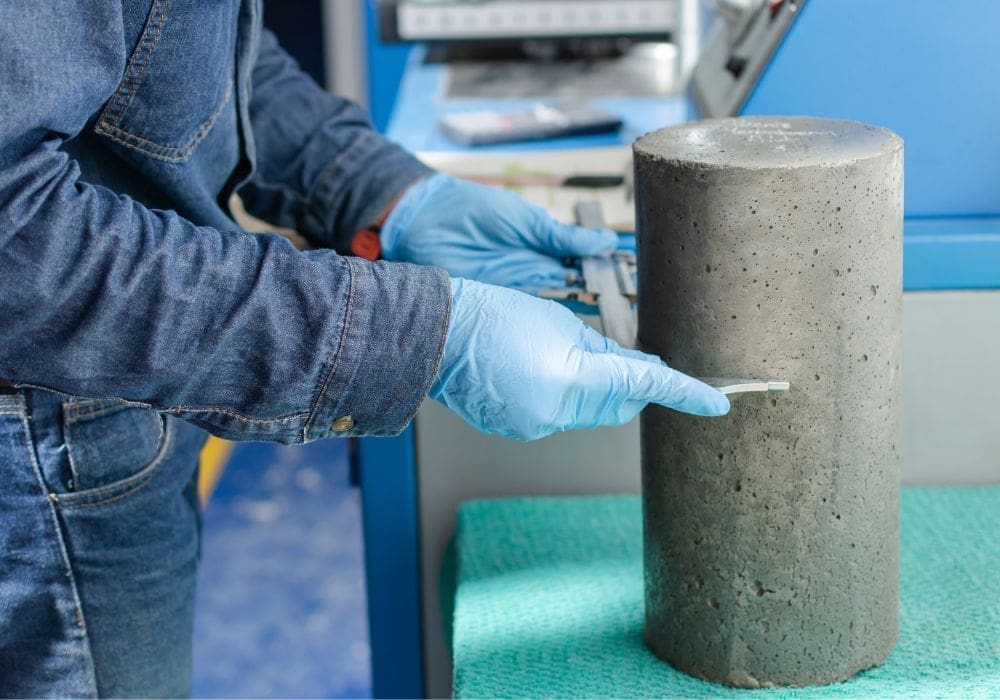
Chemical Analysis — Threaded Steel Fasteners — Site Images
How the Chemical Analysis — Threaded Steel Fasteners is Conducted
-
1
Surface Preparation
A shallow groove (approx. 25mm deep) is cut into the concrete surface using a diamond-tipped cutting tool. The surface is cleaned of dust and debris. -
2
Insert Disc Placement
A specially designed steel insert disc is placed into the groove. A thin rod connects the disc to the pullout apparatus above the surface. -
3
Hydraulic Pullout Force Application
A hydraulic jack applies a steady, controlled pullout force to the insert disc via the reaction ring resting on the concrete surface. -
4
Failure Load Recording
The maximum force at which the concrete cone is extracted is recorded. A digital load indicator provides real-time readings with data logging. -
5
Strength Calculation & Reporting
The pullout force is correlated to cube compressive strength using established calibration curves. NABL-accredited reports are issued via Autovity QLMS.
Applicable Test Standards
| Standard | Title | Scope | Type |
|---|---|---|---|
| IS 1367 | Technical Supply Conditions for Threaded Steel Fasteners | Fastener Standard | Indian Standard |
| IS 1148 | Hot Rolled Steel Rivet Bars for Structural Purposes | Structural Fasteners | Indian Standard |
| IS 3757 | High Strength Structural Bolts | Structural Bolts | Indian Standard |
| IS 228 | Methods of Chemical Analysis of Steels | Test Method | Indian Standard |