
Reinforcement Steel Coupler Testing(IS 16172:2023 — Mechanical Splices)
Full performance qualification of mechanical rebar couplers per IS 16172:2023 — tensile, slip and cyclic fatigue testing confirming the splice performs at or above the parent bar across 16–40 mm diameters.
What is Reinforcement Steel Coupler Testing?
A mechanical splice (coupler) joins two reinforcement bars end-to-end without lapping, commonly used at construction joints, congested reinforcement zones, and precast connections. IS 16172:2023 — Reinforcement Couplers for Mechanical Splices of Steel Bars in Concrete — is the governing Indian Standard, requiring the coupler joint to develop at least 125% of the specified yield strength of the bar it splices, across rebar diameters from 16 mm to 40 mm.
Global Lab qualifies couplers through the full IS 16172:2023 test suite: tensile strength to confirm the joint exceeds 1.25×fy, slip tensile testing to verify relative movement between spliced bars stays within the 0.10 mm limit, and — where specified — cyclic tensile and low/high-cycle fatigue testing simulating repeated load reversal. Test specimens are prepared with the coupler assembled per the manufacturer's installation procedure, ensuring results reflect actual site performance.
Reinforcement Steel Coupler Testing — Site Images
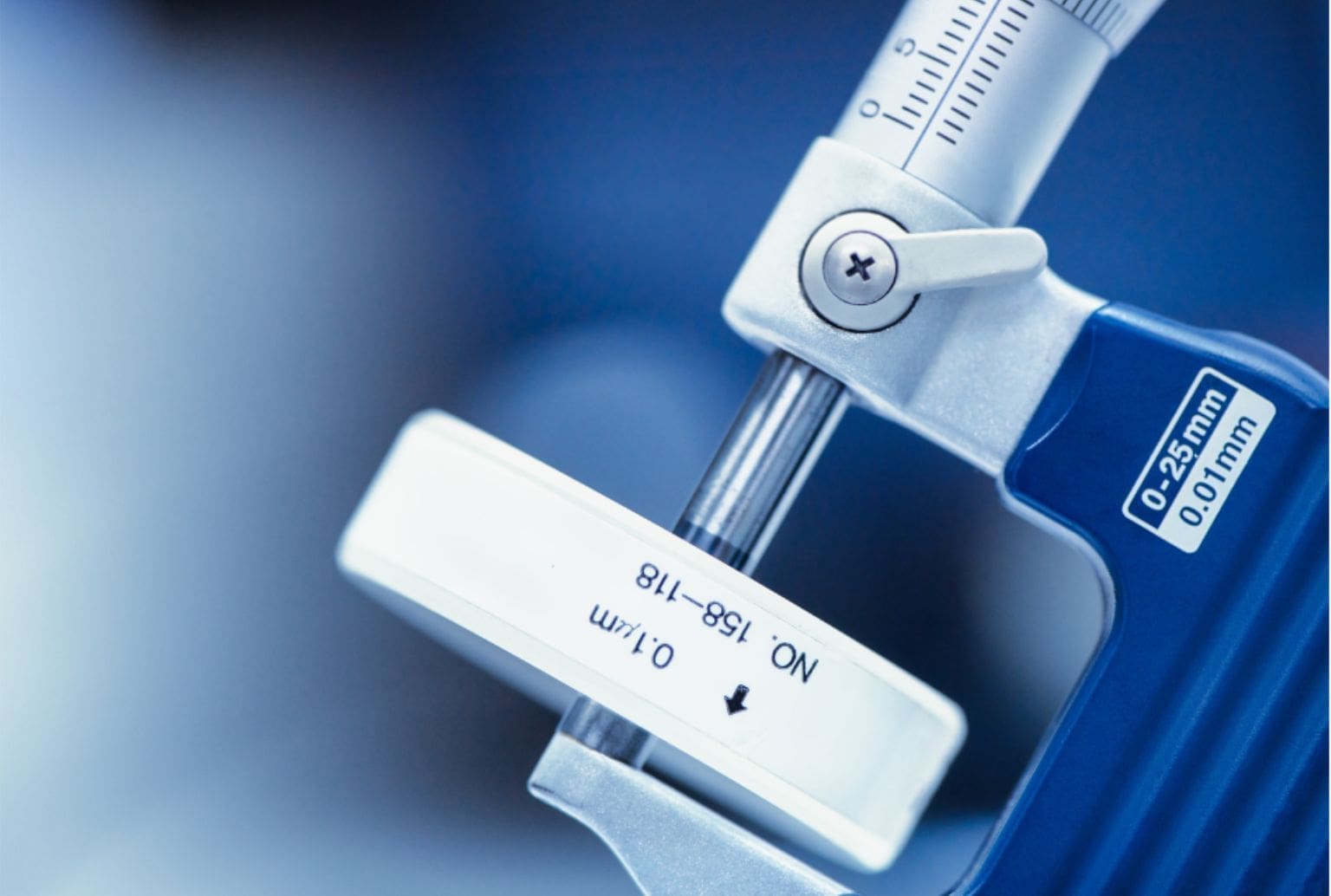
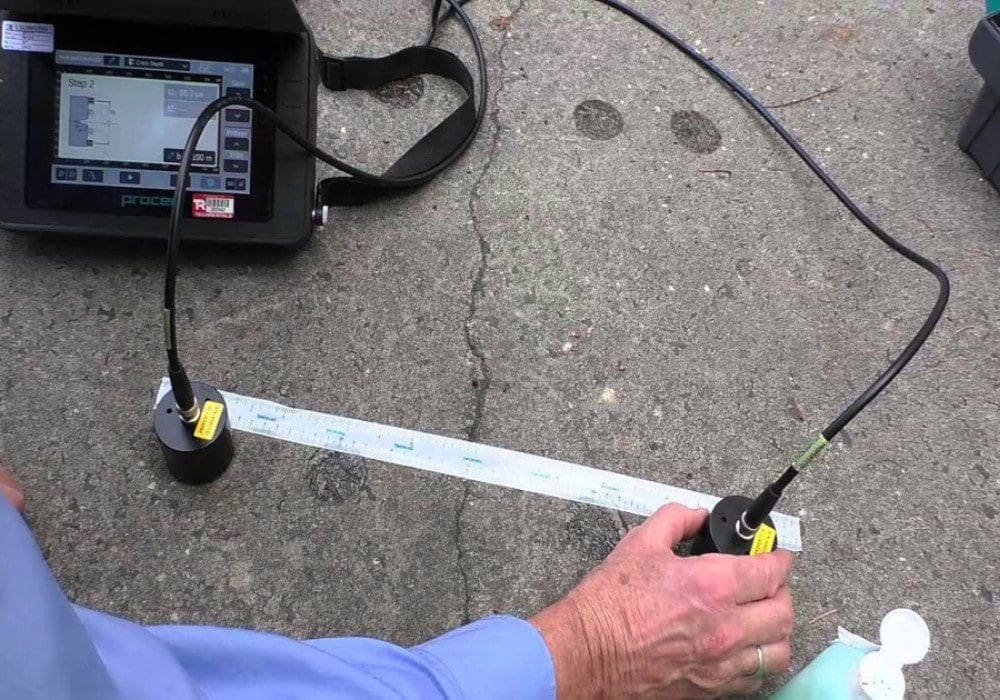
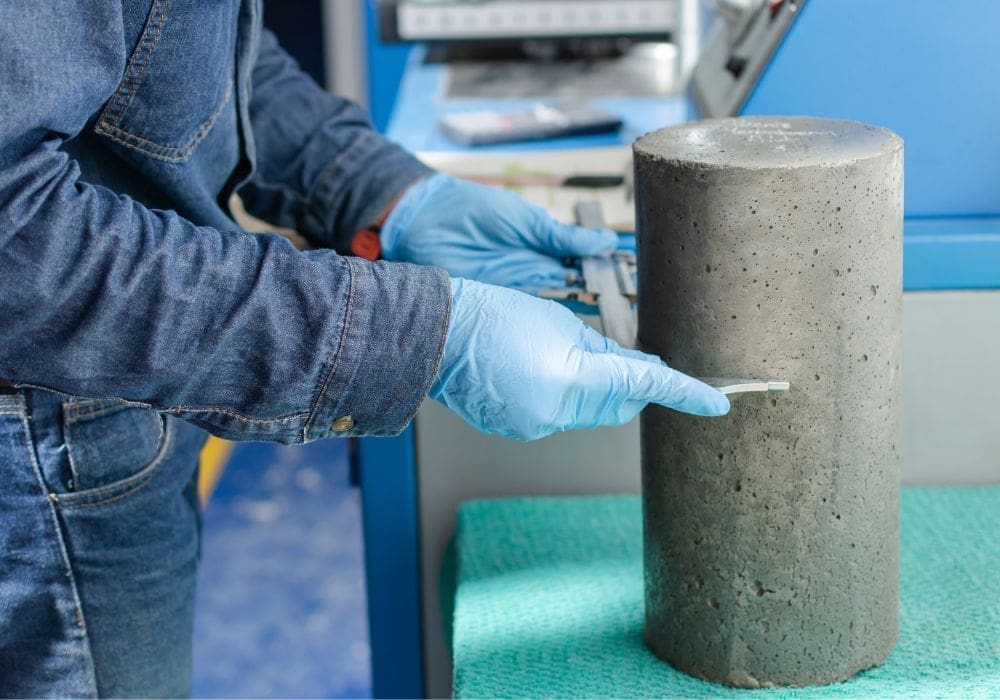
How the Reinforcement Steel Coupler Testing is Conducted
- 1
Sample Preparation
Rebar coupons are spliced using the coupler assembled strictly per the manufacturer's installation torque/procedure, matching how it will be installed on site. - 2
Slip Extensometer Mounting
An extensometer is mounted across the coupler to record relative slip between the two bar ends as load is applied. - 3
Tensile Loading to Failure
The spliced assembly is loaded in a calibrated UTM up to and beyond the required 1.25×fy threshold, recording the load-elongation curve and the actual failure load and location (bar, coupler, or thread). - 4
Slip & Cyclic Verification
Slip at specified load levels is checked against the 0.10 mm IS 16172 limit; where cyclic loading is specified, the assembly is cycled between 5% and 90% of fy for the required number of cycles before final tensile-to-failure. - 5
Reporting
Ultimate tensile load, percentage of bar strength developed, slip values and failure mode are compiled into a NABL-accredited report issued via Autovity QLMS.
Applicable Test Standards
| Standard | Title | Scope | Type |
|---|---|---|---|
| IS 16172:2023 | Reinforcement Couplers for Mechanical Splices of Steel Bars in Concrete — Specification | Tensile, Slip & Fatigue Performance | Indian Standard |